In early February 2026, India's Ministry of Civil Aviation officially announced the launch of the "National Low-Altitude Economy Plan", explicitly stating that it will invest 5 billion US dollars to build a nationwide low-altitude communication and supervision network, and plans to complete the construction of 100 vertiports by 2027, focusing on two core application scenarios: rural logistics and medical rescue. This ambitious initiative is not only a strategic attempt by India to break through infrastructure bottlenecks and promote balanced regional development, but also an important layout to seize the opportunity of global low-altitude economy development and cultivate new economic growth points. It marks that the development of India's aviation industry has officially extended to the low-altitude field, ushering in a new stage of air three-dimensional transportation and services.
As an emerging industry integrating aviation manufacturing, low-altitude flight, communication supervision, scenario application and other fields, the low-altitude economy has become a new focus of competition among countries around the world in recent years. For India, launching this plan is of distinct practical urgency and development necessity. As one of the most populous countries in the world, India faces prominent problems of unbalanced urban and rural development, such as inconvenient transportation, poor logistics, lack of medical resources and difficult distribution in rural areas. The construction of traditional ground infrastructure has a long cycle and large investment, making it difficult to quickly solve this dilemma. The low-altitude economy, with the advantages of flexibility, high efficiency, wide coverage and little restriction by terrain, can quickly open up the "last mile" of rural logistics and medical services, becoming a convenient path to make up for the shortcomings of infrastructure.
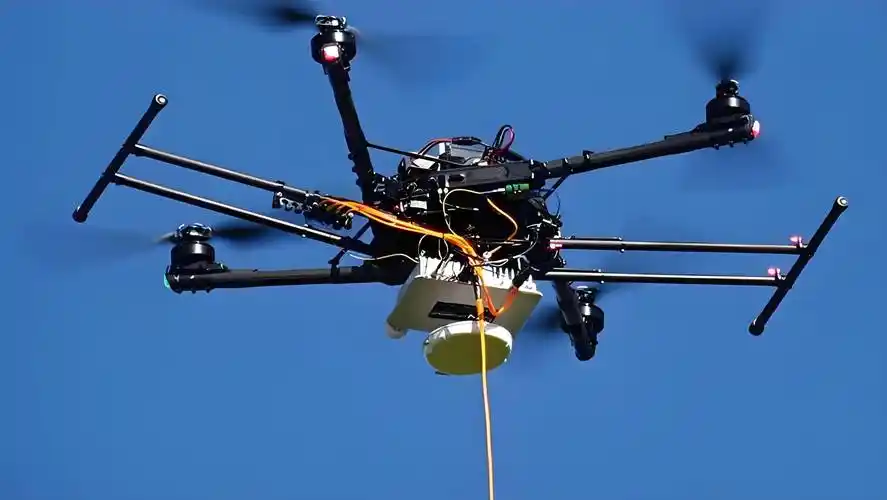
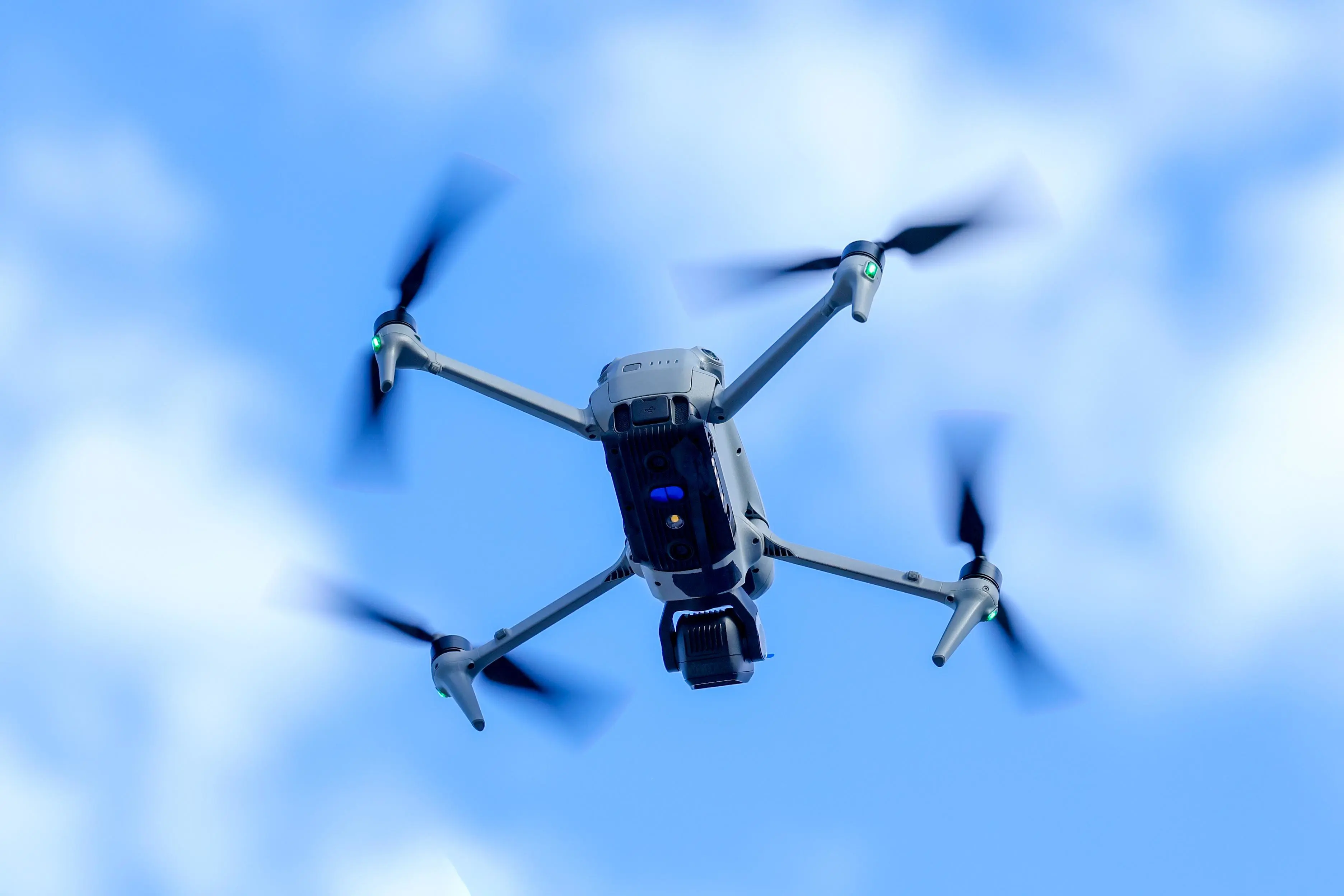
The plan launched by India's Ministry of Civil Aviation this time takes "infrastructure first, simultaneous supervision and application" as its core idea, and the 5 billion US dollars investment will focus on two major areas. On the one hand, it will fully build a unified national low-altitude communication and supervision network to solve the core problems of "being visible, manageable and connectable" in low-altitude flight. At present, communication interruptions and lack of supervision in low-altitude flight are common problems restricting the development of the global low-altitude economy. India's move will build an integrated platform covering low-altitude flight situation awareness, communication scheduling and safety supervision, standardize the order of low-altitude flight, reduce flight safety risks, and provide basic guarantee for various low-altitude flight activities. On the other hand, it will accelerate the construction of vertiports. According to the plan, 100 vertiports will be laid out by 2027. These vertiports will be both universal and professional, which can not only meet the take-off and landing needs of electric vertical take-off and landing aircraft (eVTOL), but also adapt to low-altitude flight equipment such as UAVs, focusing on covering rural and remote areas and opening up the terminal nodes of low-altitude services.
In terms of the layout of application scenarios, India has listed rural logistics and medical rescue as top priorities, which accurately meet its own development needs. In the field of rural logistics, relying on the flexibility of low-altitude flight equipment, agricultural products can be directly transported from the fields to urban markets, reducing intermediate links and logistics costs. At the same time, it solves the problem of poor distribution of industrial products and daily necessities in rural areas, helping rural economic development and rural revitalization. At present, India's agricultural UAV market has initially taken shape, with a market size of about 150 million US dollars in 2025. The advancement of this plan will further expand the application boundary of UAVs and promote the in-depth integration of low-altitude logistics and the agricultural industry. In the field of medical rescue, low-altitude flight equipment can quickly transport first-aid drugs and medical equipment to remote rural areas, and also transfer critically ill patients to large urban hospitals, shortening rescue time, improving the medical first-aid capacity in rural areas, alleviating the contradiction of unbalanced urban and rural medical resources. This initiative is expected to greatly improve the medical conditions of rural residents in India.
In the long run, the strategic value of India's launch of the "National Low-Altitude Economy Plan" far exceeds the short-term needs of logistics and medical security. At the industrial level, this plan will drive the development of related industries such as low-altitude aircraft manufacturing, communication equipment R&D, and operation and maintenance services, cultivate new industrial chains and jobs, and help India achieve a breakthrough in "Make in India" in the aviation field. The Indian government supports local enterprises through the PLI plan. For example, local startups such as ePlane have begun to layout low-altitude aircraft R&D, and the advancement of this plan will provide broader development space for these enterprises. At the regional development level, the layout of the low-altitude network and vertiports will break the restrictions of geographical conditions on the development of remote areas in India, promote the flow of resources, talents and technologies to rural areas, narrow the urban-rural development gap, and promote coordinated regional development.
However, the advancement of this grand plan still faces many challenges. From a technical perspective, India's local core technologies such as low-altitude aircraft manufacturing and low-altitude communication still have shortcomings, some core components rely on imports, and the independent R&D capacity needs to be improved; at the same time, India's high temperature climate of 45-50 degrees Celsius in summer puts higher requirements on the battery systems of low-altitude flight equipment, and related technologies still need to be tackled. From the perspective of infrastructure, the construction of vertiports requires supporting facilities such as electricity and maintenance. However, the power grid in some rural areas of India is weak, distribution transformers are overloaded for a long time, with an average of 50 power outages per day, which is difficult to meet the ultra-fast charging needs of low-altitude equipment, and will increase construction and operation costs. In addition, the safety supervision system and industry standards for low-altitude flight still need to be further improved, and the shortage of pilots and operation and maintenance personnel will also restrict the landing speed of the plan.
Despite many challenges, India's launch of the "National Low-Altitude Economy Plan" this time is undoubtedly a forward-looking strategic layout. With the gradual implementation of the 5 billion US dollars investment and the gradual completion of 100 vertiports, the low-altitude economy is expected to become a new engine for India's economic development, which not only injects new vitality into the development of rural areas, but also promotes India to occupy a place in the global low-altitude economy competition. In the future, if we can solve the problems in technology, infrastructure, supervision and other aspects, and promote industrial development and scenario application in a coordinated manner, India's low-altitude economy may achieve leapfrog development, providing a useful reference for other developing countries to break through infrastructure bottlenecks and cultivate emerging industries.